

Across Kenya, government projects are transforming communities, expanding infrastructure, improving access to essential services and creating opportunities for economic growth.
From roads, bridges and affordable housing to energy infrastructure, water projects, sports facilities and public service reforms, these initiatives are central to the country’s development ambitions.
Yet the success of a government project is not measured by physical implementation alone. It is also influenced by how well the public understands the project, whether communities feel included in the process, how effectively concerns are addressed and whether citizens can see the value of the investment.
A road may connect two towns, but its impact can be misunderstood if the public is unaware of its purpose, progress or benefits. A new health facility may improve access to healthcare, but communities need clear information about the services available, how to access them and when operations will begin.
This is where public relations for government projects in Kenya becomes an important part of effective public administration and development communication.
Strategic public relations connects government institutions, implementing agencies, development partners, contractors, communities and the media through credible, consistent and accessible communication. It helps ensure that the public is not merely informed about development but understands its purpose, progress and relevance to everyday life.
Communication should not begin when a project is launched or when a challenge emerges. It should be integrated into the project lifecycle, from planning and stakeholder consultation to implementation, completion and evaluation.
Why Public Relations Matters in Government Projects
Government projects operate in a unique environment. Unlike many private-sector investments, they often involve public resources, political and institutional accountability, diverse stakeholders and communities with different expectations.
Citizens want to understand how public funds are being used, who will benefit, when projects will be completed and what the outcomes will mean for their lives. Media organisations seek accurate information, while oversight institutions and development partners require transparency and accountability.
Without a structured communication strategy, even a well-designed project can face misinformation, public misunderstanding, stakeholder resistance or reputational challenges. Effective public relations helps government institutions address these issues through five essential functions.
Building public understanding
Communication explains the purpose, scope, expected benefits and implementation timelines of projects in language that citizens can understand.
Strengthening public trust
Regular, accurate and transparent updates demonstrate that institutions are willing to account for progress, acknowledge challenges and respond to legitimate concerns.
Facilitating stakeholder engagement
Communication creates opportunities for communities, local leaders, businesses, civil society organisations and other stakeholders to participate in conversations about projects that affect them.
Supporting accountability
Public information on project milestones, budgets where appropriate, implementation progress and expected outcomes helps citizens understand what is being delivered.
Protecting institutional credibility
A proactive communication approach helps institutions respond to emerging concerns before speculation and conflicting information undermine confidence.
The objective is not simply to make government projects visible. It is to ensure that communication contributes to public understanding, meaningful participation and confidence in the institutions responsible for delivery.
02 — InfrastructureThe Role of Strategic Communication in Infrastructure Development
Infrastructure projects are among the most visible expressions of government investment. However, they can also generate complex communication needs. Road construction, railway development, airports, water infrastructure, electricity distribution, affordable housing and public facilities often affect multiple communities and economic interests.
Different audiences need different information.
A comprehensive public relations strategy identifies these audiences and develops communication approaches suited to their needs. For example, a road construction project may require community notices, media briefings, public participation meetings, progress updates, visual documentation and clear channels for submitting complaints or seeking clarification.

Where appropriate, communication can also document the human impact of infrastructure development. Instead of focusing exclusively on kilometres completed or facilities constructed, storytelling can demonstrate how improved connectivity affects farmers, traders, students, healthcare workers and local businesses. These stories should be grounded in verified information and the genuine experiences of affected communities.
At Jujaya Media, we believe that development communication becomes more meaningful when it connects institutional progress with the people whose lives the projects are intended to improve.
03 — CommunitiesCommunity Engagement: Putting Citizens at the Centre
One of the most important elements of public relations for government projects in Kenya is community engagement.
Projects are implemented within real communities, each with its own priorities, concerns, cultural context and information needs. Communication that ignores these realities risks creating distance between institutions and the people they serve.
Community engagement should therefore go beyond announcing project launches or distributing official statements. It should provide opportunities for communities to ask questions, express concerns, receive accurate information and understand how their feedback is considered. Depending on the nature of a project, effective engagement may include:
- Public participation forums and community consultations.
- Meetings with local administration and community representatives.
- Information sessions explaining project scope and implementation timelines.
- Communication materials translated into relevant local languages.
- Feedback mechanisms for complaints, questions and emerging concerns.
- Regular updates on changes that may affect residents, traders or other stakeholders.

In Kenya’s diverse social and linguistic environment, accessibility matters. A communication strategy that relies exclusively on technical reports or English-language statements may fail to reach some of the people most affected by a project. Government communication teams should consider the most appropriate mix of languages, channels and formats for each audience.
Most importantly, engagement should be genuine. Institutions should not promise that every community request will be adopted, but they should explain the decision-making process, communicate what can be addressed and provide feedback where possible.
When people feel heard and receive reliable information, institutions create better conditions for constructive engagement throughout the project lifecycle.04 — Media
Media Relations and the Public Communication of Government Projects
The media remains an important channel through which citizens learn about government programmes, infrastructure development, public expenditure and service delivery.
A well-structured media relations strategy helps government institutions communicate project information accurately, respond to legitimate public interest and provide journalists with the context needed to report responsibly.
However, effective media relations involves more than issuing press releases whenever a milestone is reached. It requires a consistent relationship with media organisations, timely access to verified information, availability of knowledgeable spokespeople and a willingness to respond to difficult questions. A government project communication programme may include:
The credibility of government media relations depends on the quality of the information provided. Claims should be verifiable, figures should be accurate and projected timelines should be clearly distinguished from confirmed completion dates.

A strong media strategy does not seek to control independent journalism. It helps institutions provide reliable information, correct factual errors and remain accountable to the public.
05 — DigitalDigital Communication and the Changing Information Environment
The way Kenyans access information continues to evolve. Websites, online news platforms, social media, messaging applications and digital video have become important channels for public communication.
Government institutions can use these platforms to provide timely project updates, publish official documents, answer common questions and reach audiences who may not regularly consume traditional media. Digital communication is particularly valuable when projects affect large geographic areas or require frequent updates. A practical digital communication strategy may include:
- Dedicated project pages containing verified information.
- Regular updates on milestones and implementation progress.
- Short explanatory videos and visual project summaries.
- Frequently asked questions addressing common public concerns.
- Public notices concerning road closures, service interruptions or other disruptions.
- Accessible contact details and mechanisms for public enquiries.
- Consistent monitoring of public questions and emerging misinformation.
However, digital visibility should not be confused with effective communication.
Publishing frequent updates does not necessarily mean that the public understands the project. Does the information reach the intended audiences, answer their questions and help them make informed decisions?
Digital communication should also complement, rather than replace, direct engagement with communities that have limited internet access or rely on other information channels.
06 — StorytellingDevelopment Storytelling: Communicating the Human Impact
Government communication often concentrates on institutional announcements, budgets, project launches and technical milestones. Although these details are important, they do not always explain why a project matters to the people it serves.
Development storytelling provides another way to communicate public investment. It connects project implementation with real experiences, showing how infrastructure, services and public programmes may affect livelihoods, opportunities and access to essential services.

Consider a water infrastructure project. An institutional update may explain the project’s capacity, geographical coverage and implementation status. A complementary human-interest story could explore how improved access to water affects a school, a small business or a household, provided the reported benefits have been verified. Similarly, a road project can be documented through the experiences of traders, farmers, transport operators and residents who use the route.
Such storytelling should never replace technical evidence or be used to conceal implementation challenges. Its purpose is to make verified development outcomes understandable and relevant to the public. Responsible development storytelling requires informed consent, respect for people’s dignity, accurate representation of community experiences and careful verification of claims.
For Kenya, where development projects span different regions, cultures and economic realities, this approach can help institutions communicate progress without reducing communities to statistics or treating public communication as a series of ceremonial announcements.
07 — CrisisCrisis Communication and Reputation Management
Government projects can encounter unexpected challenges, including implementation delays, contractor disputes, cost changes, environmental concerns, community grievances, safety incidents and misinformation. When these issues arise, the quality of institutional communication can significantly influence public understanding.
Silence may leave an information vacuum. Contradictory statements can deepen confusion, while unsupported assurances can undermine credibility if circumstances change.

A crisis communication framework helps institutions prepare for such situations before they escalate. The framework should identify authorised spokespeople, establish approval procedures, define escalation channels and clarify how verified information will be communicated to stakeholders.
When an issue emerges, the institution should establish the facts, assess the impact, coordinate with relevant technical teams and provide an appropriate public response. Where information is incomplete, it is better to acknowledge what is known, explain what is still being verified and commit to a reasonable update than to speculate. Where mistakes have occurred, credible communication requires acknowledging the issue, explaining the corrective measures being taken and providing updates on progress.
Reputation management in government is not about presenting every project in a positive light. It is about protecting institutional credibility through accuracy, accountability, responsiveness and consistency.
An institution that communicates honestly during difficult moments is better positioned to maintain public confidence than one that communicates only when the news is favourable.
08 — StakeholdersCommunicating with Diverse Stakeholders
A government project rarely has a single audience. Its stakeholders may include national and county government institutions, implementing agencies, development partners, contractors, professional bodies, civil society organisations, local businesses, community representatives and the general public. Each group may have different information needs and different levels of influence over the project’s implementation.
A stakeholder communication plan helps institutions understand these differences and prioritise engagement appropriately.
A strong communication plan establishes:
- Who needs to receive information and why.
- What information each audience requires.
- Which communication channels are most appropriate.
- Who is responsible for providing and approving information.
- How feedback, concerns and enquiries will be handled.
- How communication effectiveness will be evaluated.
This approach reduces fragmented messaging and helps ensure that different stakeholders receive consistent, relevant information without assuming that every audience requires identical communication.
Measuring the Effectiveness of Government Project PR
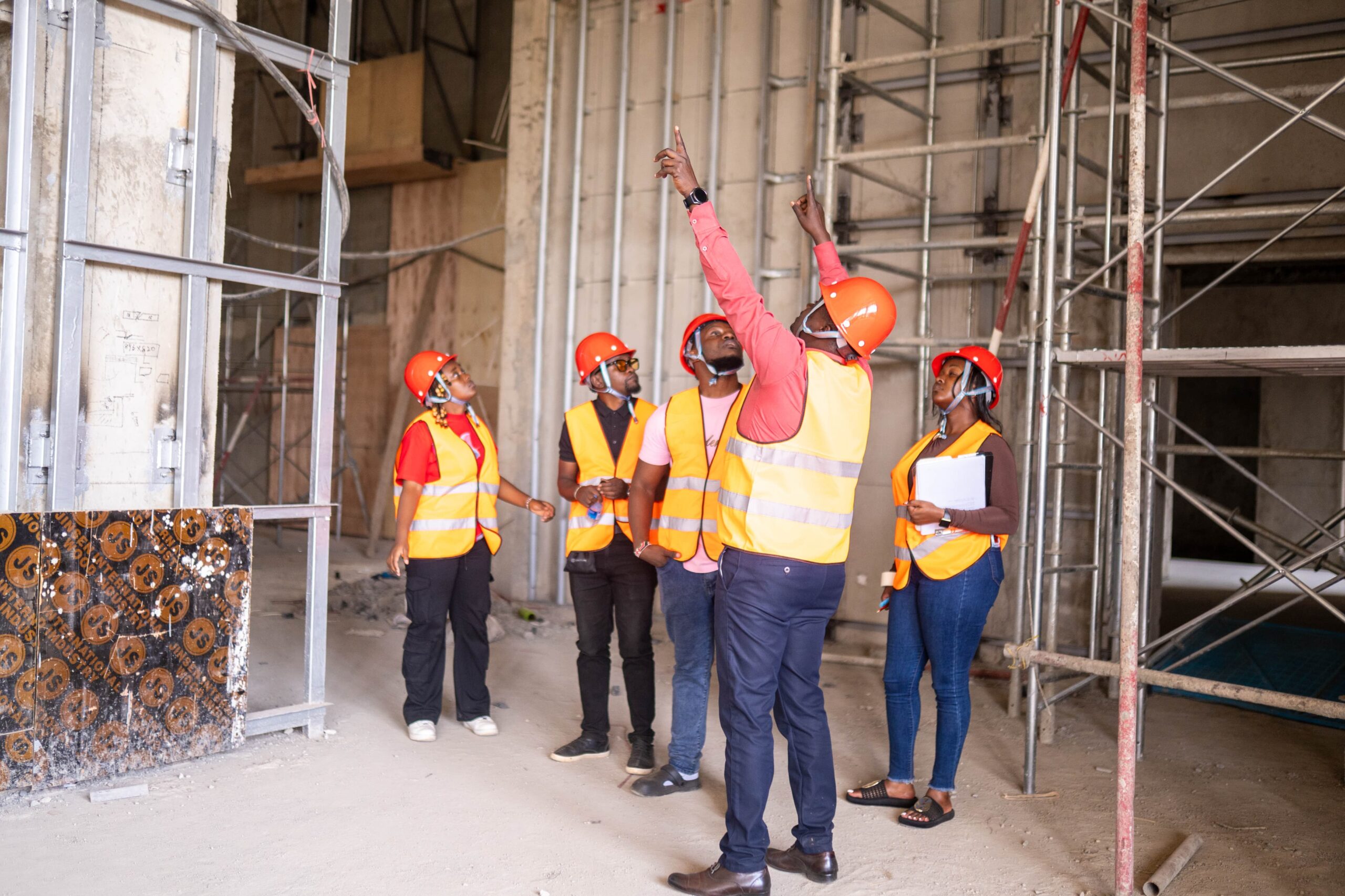
Public relations should be assessed through meaningful evidence, not merely the volume of publicity generated. For government projects, useful measurement considers whether communication has improved awareness, understanding, stakeholder engagement and access to reliable information. Depending on the project’s objectives, indicators may include:
- Media coverage quality, accuracy and relevance.
- Reach among priority audiences.
- Public awareness and understanding of project objectives.
- Participation in community engagement activities.
- Response times for public enquiries and complaints.
- Changes in recurring public misconceptions.
- Stakeholder feedback and satisfaction.
- Accessibility and use of official project information.
- Evidence that feedback has informed communication or project decisions.
- Timeliness and consistency of official updates.
Institutions should establish a baseline where practical and define targets that are appropriate to the project. For instance, a project whose immediate priority is informing residents about a road closure should measure whether affected communities received the information in time to plan alternative routes. A project focused on public participation should assess whether relevant stakeholders had meaningful opportunities to contribute and whether feedback was addressed.
Media coverage is one indicator of communication performance, but it is not a complete measure of public trust or project success. Communication outcomes and project outcomes should be measured distinctly, while recognising where they influence one another.
Equally, public relations should not claim responsibility for improvements in service delivery that depend on many other factors.
10 — PartnershipChoosing the Right Public Relations Partner for Government Projects in Kenya
Government institutions and project implementing agencies may require external communications expertise when projects involve multiple stakeholders, extensive public interest, complex technical information or heightened reputational risks.
Choosing the right partner requires more than evaluating the number of media placements an agency promises. Institutions should consider whether a prospective partner understands the public sector environment, can translate technical information into accessible messages and has the capacity to coordinate communication across different channels and stakeholder groups. Important considerations include:
Relevant experience
Evidence of work involving institutional communication, infrastructure, public engagement, development programmes or other comparable assignments.
Strategic planning
The ability to develop a communication strategy aligned with project objectives, stakeholder needs, implementation stages and identified risks.
Media relationships
The ability to engage relevant media organisations professionally and facilitate accurate coverage of project developments.
Content and storytelling capability
Experience producing credible written, photographic and video content that communicates technical progress and human impact.
Monitoring and evaluation
Clear reporting procedures, meaningful performance indicators and evidence of communication outcomes.
Ethical standards
Commitment to factual accuracy, transparency, responsible storytelling and respect for public interest.
Operational capacity
The ability to coordinate multiple deliverables, meet deadlines and work effectively with authorised institutional teams.
For public procurement and other formal engagements, the selection process should follow the applicable legal, procurement, financial and institutional requirements. Communication partners should operate within authorised scopes of work and respect confidentiality, data protection and approval procedures.
The most suitable partner is one that understands that government project communication carries a responsibility to the institution, the project stakeholders and the public.
11 — The Jujaya approachHow Jujaya Media Approaches Government and Institutional Communication
At Jujaya Media, we believe effective communication begins with understanding the story, the stakeholders and the responsibility attached to the message. Our approach to strategic public relations is grounded in the principle that credibility must come before visibility.
For government institutions, public agencies and organisations implementing development projects, this means moving beyond isolated publicity activities towards structured communication that supports public understanding, stakeholder engagement and institutional reputation. Our capabilities can support relevant assignments through:
Our work is guided by an understanding that public communication is most valuable when it connects institutional objectives with the information people genuinely need. Whether a project involves infrastructure, public services, economic development or community investment, communication should help answer three fundamental questions:
These questions provide a foundation for communication that is relevant, responsible and grounded in public interest.

Development Must Be Delivered, Understood and Accounted For
Kenya’s development ambitions require more than the construction of infrastructure and the implementation of public programmes. They also require effective communication that helps citizens understand what is being done, why it matters and how institutions are responding to their needs.
Public relations for government projects is therefore not simply about publicity. It is about connecting policy with people, implementation with understanding, and institutional activity with accountability.
When communication is planned from the beginning, communities are engaged meaningfully, the media receives accurate information and challenges are addressed transparently, government institutions create better conditions for informed public participation and sustained credibility.
The measure of effective government communication is not how loudly a project is announced. It is whether people receive the information they need, understand the project’s significance and can hold the responsible institutions accountable for their commitments.
At Jujaya Media, we believe that credible communication helps development stories serve the public interest.
If your institution is implementing a government, infrastructure or development project in Kenya and requires strategic public relations, media outreach, stakeholder communication or development storytelling, Jujaya Media can help you develop a communication approach aligned with your objectives.
Development must be delivered, understood and accounted for.
Start a conversation with Jujaya Media
Join the Conversation
When communication is planned from the beginning, development is easier to understand and institutions are easier to trust.