

There was a time when a compelling story was enough. A well-produced television commercial, a newspaper feature, a polished corporate brochure or a memorable slogan could capture attention and shape public perception for years. Organisations invested heavily in telling people who they were, hoping that visibility alone would translate into trust.
That world no longer exists.
Today’s audiences are more informed, more connected and more sceptical than ever before. They do not simply consume stories; they investigate them. Every promise can be verified. Every inconsistency can be exposed. Every customer has the power to become a publisher, a critic or an advocate within seconds.
In this new environment, organisations are discovering a profound truth: the brands that endure are not necessarily those with the loudest voices, but those with the strongest influence.
Storytelling still matters. In fact, it matters more than ever. But storytelling on its own is no longer the destination. It is only the beginning. The real objective is strategic influence.
Strategic Shift
- Visibility creates recognition; influence creates action.
- Trust is built by what consistently happens after the story is told.
- Actions reinforce communication to solidify market credibility.
The Difference Between Being Seen and Being Remembered
Many organisations confuse awareness with impact. They celebrate impressions, views, likes and media mentions without asking the more important question: What changed because people encountered our brand?
Visibility creates recognition. Influence creates action. Recognition may introduce your organisation to the market. Influence earns customer loyalty, attracts investors, inspires employees, reassures regulators and builds public confidence.
People may remember seeing an advertisement. They remember how a company made them feel when it honoured a promise, responded during a crisis, contributed to society or stood firmly behind its values. That is the difference between communication that informs and communication that transforms.

Stories Alone Do Not Build Trust
Every organisation has a story. Some speak about humble beginnings. Others highlight innovation, resilience or growth. Many describe themselves using words such as excellence, integrity, customer-centricity and transformation.
The challenge is that these words have become common currency. Audiences have heard them countless times. Trust is no longer created by what organisations say about themselves. Trust is built by what consistently happens after the story is told.
When actions reinforce communication, credibility grows. When actions contradict communication, reputation begins to erode. The strongest stories are not written by marketing departments. They are written by customer experiences, employee culture, leadership decisions and the everyday behaviour of the organisation.
Strategic Influence Is Built, Not Announced
Influence is not something an organisation declares. It is something stakeholders gradually grant. Every interaction contributes to that decision:
Every media interview. Every customer complaint. Every recruitment process. Every executive speech. Every community investment. Every social media response. Every crisis. Every success. Collectively, these moments become the organisation’s reputation.
This is why communication can no longer operate in isolation. Public relations is no longer about securing headlines. Marketing is no longer about attracting attention. Corporate affairs is no longer about managing information. Together, they shape how people experience an organisation long after a campaign has ended.

The Most Influential Organisations Think Beyond Campaigns
Campaigns have deadlines. Influence does not.
Some organisations communicate only when launching a product, announcing financial results or responding to negative publicity. Others understand that communication is a continuous strategic function.
They invest consistently. They educate their audiences. They contribute to industry conversations. They publish research. They empower their executives to become thought leaders. They celebrate customers rather than constantly promoting themselves. They become reliable sources of insight instead of simply competing for attention.
Eventually, people stop seeing them merely as businesses. They become trusted institutions. That transformation is impossible without long-term strategic communication.
Leadership Has Become the Brand
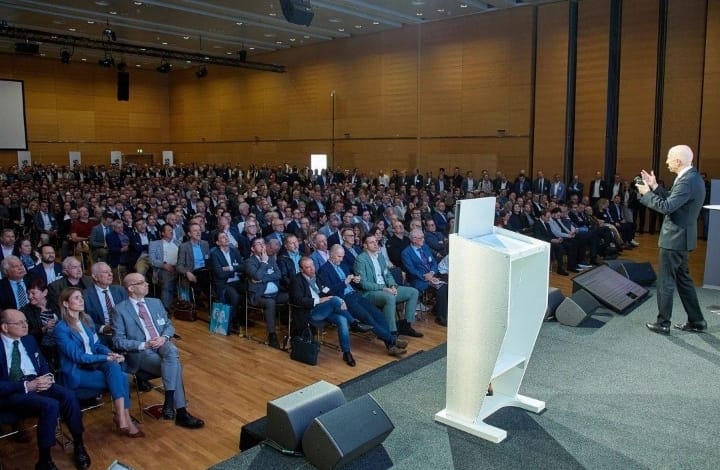
One of the biggest shifts of the past decade is the growing importance of executive visibility. People increasingly associate organisations with the leaders behind them.

Customers want to know who makes decisions. Employees want leadership they can believe in. Investors seek confidence. Partners value transparency. Communities expect accountability.
The modern CEO is no longer just responsible for financial performance. They are increasingly expected to communicate purpose, provide clarity during uncertainty and represent the values of the organisation. When leaders communicate with authenticity, consistency and vision, they humanise institutions that might otherwise appear distant and impersonal.
Influence grows because people trust people before they trust logos.
Purpose Without Communication Is Invisible
Many organisations are creating extraordinary impact. They are empowering communities, supporting education, driving sustainability, investing in innovation, creating employment, and transforming industries.
Yet much of this work remains unseen because it is never communicated strategically. Purpose deserves visibility—not for applause, but because meaningful stories inspire confidence, attract partnerships and encourage others to pursue similar impact. Strategic communication gives purpose a voice. It transforms good work into lasting influence.
The Future Belongs to Trusted Voices
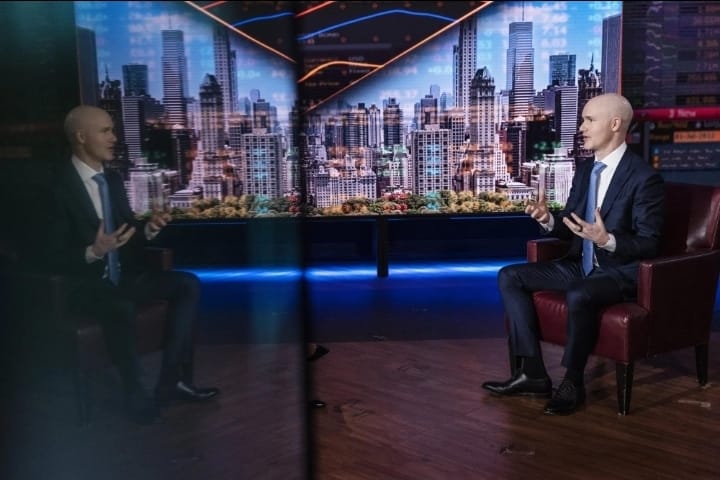
Artificial intelligence is generating content at unprecedented speed. Algorithms determine what people see. Platforms rise and fall. Technology continues to reshape communication.
Ironically, the more content the world produces, the more valuable authenticity becomes. People are becoming increasingly selective about whose voices they trust. They seek expertise over noise, substance over sensationalism, and consistency over popularity.
The organisations that invest in credibility today will be the ones shaping industries tomorrow—not because they spoke the loudest, but because they consistently earned the confidence of the people they serve.
“The brands that endure are not necessarily those with the loudest voices, but those with the strongest influence.”

Beyond Storytelling
Storytelling remains one of humanity’s greatest tools. Stories connect generations, preserve culture, explain complex ideas, and inspire change. But organisations should aspire to something greater than simply telling compelling stories. They should strive to become organisations whose actions create stories worth telling.
That is where strategic influence begins.
Because in the end, markets may remember your advertising. Media may remember your campaigns. Awards may remember your achievements. But society remembers organisations that consistently create value, inspire trust and leave a positive mark on the people whose lives they touch.
That is the kind of brand that outlives trends. That is the kind of influence no competitor can easily replicate. And that is the future of strategic communication.
Discussion